
Popular Solutions For Disabled Ramp Replacement Projects
Discover effective and easy-to-install ramp replacement products that ensure smooth access and meet diverse mobility needs.
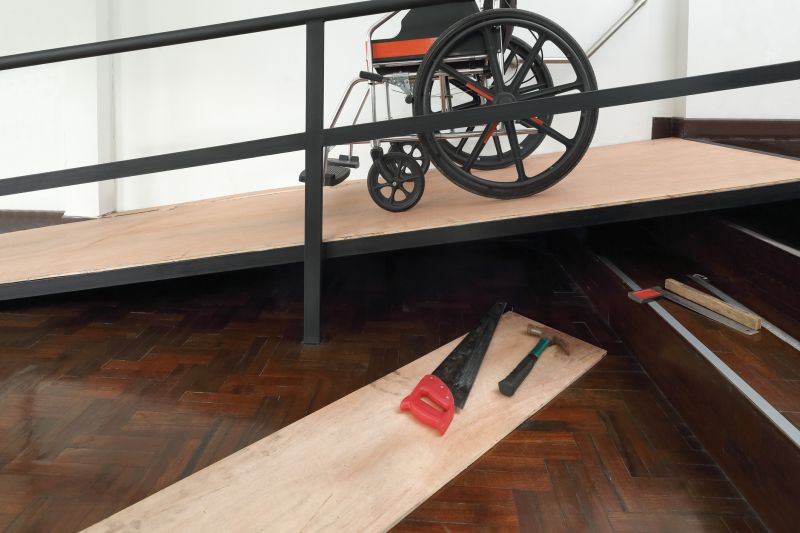 When considering solutions for replacing or upgrading existing ramps for individuals with mobility challenges, it is important to explore a variety of products that cater to different needs and environments. The right replacement ramp can significantly improve accessibility, safety, and independence. These products range from modular systems that can be customized to fit specific spaces, to portable options that offer flexibility for travel or temporary use. Durable materials such as aluminum and high-strength composite ensure longevity and resistance to weather elements, making them suitable for both indoor and outdoor applications.
Top Overall Option
Modular Aluminum Ramp System
A modular aluminum ramp system offers a versatile and durable solution suitable for a variety of settings. Its lightweight construction allows for easy installation and customization, enabling users to adapt the length and configuration as needed. The non-slip surface enhances safety, while the corrosion-resistant material ensures longevity even in outdoor environments. This type of ramp can often be expanded or reconfigured to accommodate changing mobility needs, making it a practical choice for many users.
Types of Products For Disabled Ramp Replacements
Portable Folding Ramps
Compact and lightweight, these ramps are designed for easy transport and quick setup, ideal for temporary or travel needs.
Permanent Fixed Ramps
Built for long-term installation, these ramps are securely anchored and often integrated into building structures for stability.
Threshold Ramps
Low-profile ramps designed to bridge small height differences at doorways and thresholds.
Wheelchair Lift Platforms
Elevating platforms that function as lifts, suitable for multi-level access where traditional ramps are impractical.
Modular Ramp Systems
Customizable sections that can be assembled to fit specific spaces, offering flexibility and expandability.
High-Strength Composite Ramps
Made from durable composite materials, these ramps combine strength with lightweight handling and weather resistance.
Aluminum Platform Ramps
Sturdy aluminum ramps designed for heavy-duty use, suitable for outdoor applications and high traffic areas.
Vehicle Access Ramps
Specialized ramps designed to facilitate vehicle entry and exit for wheelchair users.
Custom Fabricated Ramps
Ramps tailored to specific architectural requirements, often fabricated on-site to ensure perfect fit.
Inclined Lift Ramps
Inclined lifts that function as ramps, providing an alternative for steeper inclines where traditional ramps are not feasible.
Popular Choices
Widely used for their convenience and portability, these ramps are favored for temporary needs and travel.
Commonly selected for outdoor installations due to their durability and low maintenance requirements.
Popular for bridging small height differences at doorways, providing smooth transitions.
Flexible and expandable, these kits are often chosen for their adaptability to different spaces.
Valued for their strength and weather resistance, suitable for outdoor high-traffic areas.
Increasing in popularity for multi-level access, especially where traditional ramps are impractical.
Essential for accessible vehicle entry, these ramps are frequently used in transportation settings.
Lightweight and durable, these ramps are favored for their ease of use and transportability.
Customized solutions are increasingly popular for unique architectural needs and specific mobility requirements.
Choosing the appropriate ramp replacement involves evaluating the weight capacity, surface traction, and ease of installation. Some systems are designed for permanent installation, featuring secure anchoring and seamless integration with existing structures. Others are portable, lightweight, and easy to set up without tools, ideal for temporary or emergency scenarios. Safety features like non-slip surfaces, handrails, and gentle slopes are critical considerations for ensuring user safety and comfort.
In addition to functionality, aesthetic considerations may influence the selection process. Many modern ramp options come with sleek designs and customizable finishes to match surrounding decor or architectural style. Maintenance requirements are also worth considering; materials that resist corrosion and are easy to clean can reduce long-term upkeep. Ultimately, selecting the right replacement ramp involves balancing durability, usability, safety features, and compatibility with the environment.
It is advisable to consult with accessibility specialists or occupational therapists when selecting a replacement ramp to ensure it meets the specific mobility needs and safety standards. Proper measurement of the installation area, understanding local building codes, and considering future mobility needs can contribute to a more satisfactory and functional upgrade. Whether for permanent or temporary use, the right ramp replacement can make a meaningful difference in daily living for individuals with mobility challenges.
Key Buying Considerations
- Determine the maximum weight capacity needed for safety and durability.
- Assess the incline or slope to ensure it complies with safety standards and user comfort.
- Select materials suitable for the environment, such as weather-resistant options for outdoor use.
- Consider the ramp's surface traction to prevent slips, especially in wet conditions.
- Evaluate whether the ramp is portable or fixed based on current and future mobility needs.
- Check for compatibility with existing structures, including doorway widths and landing sizes.
- Review installation requirements and whether professional setup is necessary.
- Look for features like handrails, edge barriers, and non-slip surfaces for added safety.
- Consider aesthetic options to match or complement surrounding architecture.
- Factor in maintenance needs and ease of cleaning for long-term use.
- Ensure compliance with local accessibility and building codes.
- Assess the ease of assembly or disassembly if portability is important.
- Think about expansion options if future mobility needs may change.
- Review user reviews and ratings to gauge real-world performance and satisfaction.
- Budget considerations should include both initial purchase and ongoing maintenance costs.